The historical evolution of gambling A journey through time and culture
Origins of Gambling in Ancient Civilizations
The roots of gambling can be traced back to ancient civilizations, where it was often intertwined with cultural practices and rituals. Archaeological findings indicate that games of chance were played in China as early as 2300 BC, utilizing rudimentary objects like bones or tiles. These early forms of gambling often served purposes beyond mere entertainment; they were linked to the divine and used in fortune-telling, a practice that showcased the deep cultural significance of chance. Today, you can experience the thrill of Chicken Road 2 by visiting https://chickenroad-game2.ca/, a platform that offers insights into modern gaming.

Similarly, in ancient Rome, gambling was widely accepted in society, often associated with social gatherings and celebrations. The use of dice is well-documented, and various games emerged that involved betting. While these games brought enjoyment, they also had their share of controversy, with societal leaders often trying to regulate or ban them due to concerns over morality and public order.
The Rise of Organized Gambling in the Middle Ages
As societies evolved, so did gambling, leading to more organized forms. During the Middle Ages, gambling became increasingly popular in Europe, particularly with the introduction of card games. The invention of playing cards in the 14th century marked a pivotal moment, allowing gambling to penetrate different social classes. These games became staples in taverns and public houses, creating a communal atmosphere centered around chance.
This period also saw the establishment of various betting systems, including lotteries, which were first introduced in the Netherlands. Lotteries provided a means for funding public projects while appealing to people’s desire for wealth. The combination of social interaction and the allure of potential fortune made gambling an integral part of the cultural fabric during this era. One might draw parallels to the excitement found in the Chicken Road 2 game, which similarly combines social interaction and thrilling possibilities.
The Impact of Colonialism and Globalization on Gambling
The Age of Exploration catalyzed the global spread of gambling practices. As European powers colonized new territories, they brought their gambling traditions with them, influencing local customs. For example, the introduction of poker in the Americas can be traced back to European settlers. The game evolved, incorporating local elements, leading to the rich tapestry of gambling culture seen today in the U.S.
In addition to poker, other games like roulette and blackjack gained popularity and adapted to different cultural contexts. This fusion of gambling practices not only provided entertainment but also highlighted the economic potential of wagering, paving the way for modern casinos and gambling establishments worldwide.
Modern Gambling and Its Challenges
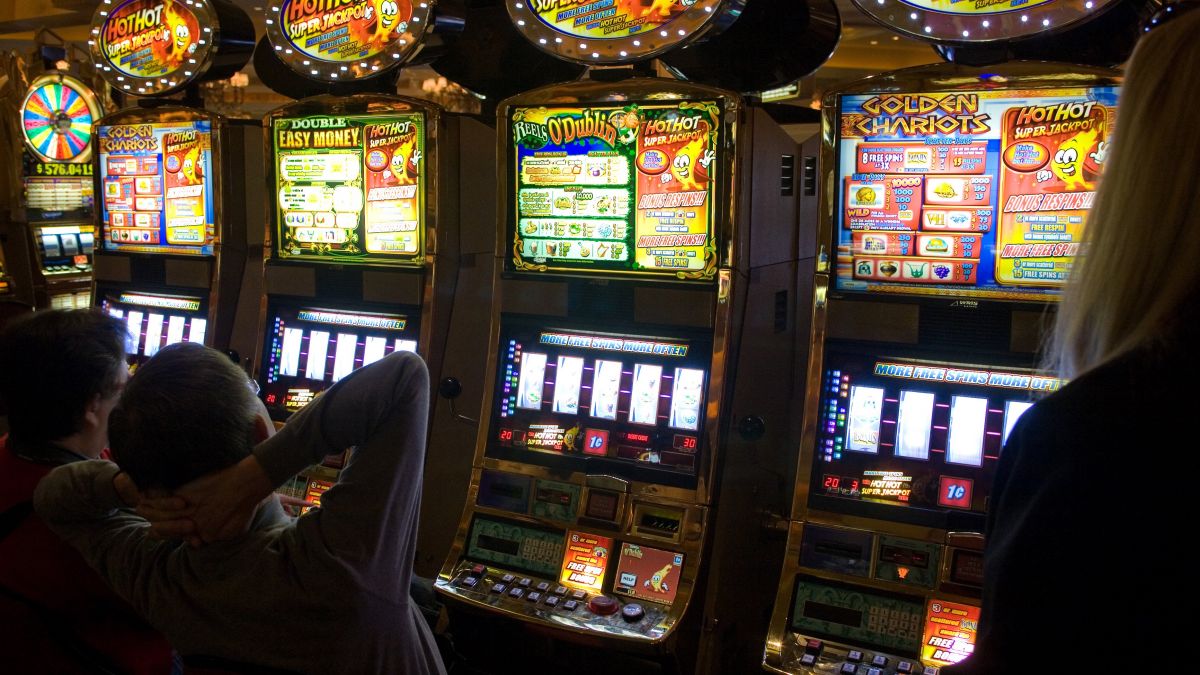
The 20th century saw the legalization and regulation of gambling in many countries, leading to the emergence of iconic establishments like Las Vegas. The industry experienced exponential growth, attracting millions of visitors seeking both thrill and fortune. This modern gambling landscape includes a variety of options, from traditional casinos to online platforms, catering to diverse preferences.
However, the rise of gambling has not come without challenges. Issues of addiction and responsible gambling have emerged as significant concerns. The ease of access to gambling, particularly through online platforms, has led to increased rates of gambling-related problems, prompting discussions about the need for effective regulations and support systems for those affected by gambling, similar to what is emphasized in the Chicken 2 road game.
Exploring Innovative Gambling Experiences Online
The advent of technology has transformed the gambling experience, making it more accessible and interactive. Online gaming platforms offer a wide range of options, from classic games to innovative new concepts, reflecting a blend of traditional and modern influences. Players can now enjoy gaming from the comfort of their homes, often with features that enhance interactivity and engagement.
For instance, platforms that offer demo modes allow users to practice and understand games without financial risk. This innovative approach provides players with the confidence to explore new games while being mindful of responsible gambling. As the gambling landscape continues to evolve, it remains intertwined with culture, economy, and technology, promising an exciting future, much like what is presented in the Chicken Road 2 demo available online.